
Old - Aviation
Pinnacle Charter High School Aviation Program
WHERE AVIATION TAKES FLIGHT
Explore aviation. Experience flight. Discover your future.
Welcome to the Pinnacle Charter High School Aviation Program—a hands-on aviation STEM program where students don't just learn about aviation; they experience it.
From flight simulation and aircraft systems to drones, aviation technology, weather, navigation, and career exploration, students are introduced to the many opportunities available in the aviation and aerospace industries.
Aviation Isn't Just About Becoming a Pilot
Aviation is one of the most exciting and diverse industries in the world.
Our program allows students to explore careers in:
- ✈️ Piloting
- 🛩️ Unmanned Aircraft Systems
- 🚁 Drones
- 🛠️ Aircraft Maintenance
- 🎧 Air Traffic Control
- 🏢 Airport Operations
- 👩✈️ Airlines
- 💻 Aviation Technology
- 🚀 Aerospace
- 📡 Aviation Communications
- 🌎 And much more
You don't have to know what you want to do in aviation. That's what we're here to help you discover.
A Classroom Like No Other
Step Inside Our Aviation Classroom
Our aviation classroom is designed to look and operate like an aviation environment.
Students work with:
23 Flight Simulators
X-Plane flight simulators equipped with yokes and rudder pedals.
4 Aviation Terminals
Our simulator stations are organized into Terminal A, B, C, and D.
Runway & Taxiway
A 20-foot runway with taxiway markings and hold-short lines runs through the classroom.
Drone Technology
Students train with Tello and DEXI Level 3 drones.
VR Flight Experience
Students have opportunities to experience aviation through virtual reality.
Weather Station
Students can connect real-world weather observations to aviation decision-making.
Learn. Fly. Explore.
What Will I Do in Aviation?
Students may:
- Learn how airplanes fly
- Explore aircraft systems
- Read aviation weather
- Plan flights
- Navigate
- Use flight simulators
- Practice airport procedures
- Operate drones
- Explore aviation careers
- Work through realistic flight scenarios
- Meet aviation professionals
- Explore aviation colleges and training programs
- Participate in hands-on projects
About Pinnacle Aviation
About Pinnacle Aviation
More Than a Class. It's an Aviation Experience.
The Pinnacle Charter High School Aviation Program introduces students to the world of aviation through hands-on learning, technology, flight simulation, unmanned aircraft systems, and career exploration.
Our goal is simple:
Expose students to aviation careers and give them the knowledge, skills, and experiences they need to begin exploring their future.
Our Mission
The Pinnacle Aviation Program is designed to:
- Introduce students to aviation and aerospace
- Develop STEM skills through real-world applications
- Provide hands-on aviation experiences
- Develop aviation knowledge and terminology
- Introduce students to flight operations
- Provide opportunities to explore drones and UAS technology
- Connect students with aviation professionals
- Expose students to aviation career pathways
- Help students understand education and training requirements for aviation careers
Aviation STEM
Our program incorporates science, technology, engineering, mathematics, and career education into aviation-related activities.
Students learn that aviation is a combination of many different disciplines.
Science + Technology + Engineering + Mathematics + Communication + Decision-Making = Aviation
AOPA Aviation STEM Curriculum
The program incorporates the AOPA Foundation's high school aviation STEM curriculum, providing students with structured opportunities to explore aviation and unmanned aircraft systems.
The program includes two primary areas of study:
✈️ Pilot
Students explore the knowledge and skills associated with becoming a pilot.
🚁 Unmanned Aircraft Systems
Students explore drones, UAS technology, operations, safety, and career opportunities.
Aviation Courses
Click on the tab below
Introduction to Aviation and Aerospace
Level 1 Course
Prerequisite- None
Overview
The Introduction to Aviation and Aerospace course will provide the foundation for advanced exploration in the areas of flying, aerospace engineering, and unmanned aircraft systems. Students will learn about engineering practices, problem solving and the innovations and technological developments that have made today’s aviation and aerospace industries possible. Students will also learn about the wide variety of exciting and rewarding careers available to them. This class will inspire students to consider aviation and aerospace careers while laying the foundation for continued study in grades 10 through 12 and beyond.
Aerodynamics
Level 2 Course
Prerequisite- None
Overview
This course will introduce students to basic aircraft and UAS structures and their major components, principles of flight, and the fundamental physical laws affecting flight. Students will learn about basic aerodynamics and forces that act on aircraft in flight. This course will also introduce the main systems found on large and small airplanes and UAS. Students will learn about the different types of engines that produce thrust to propel an aircraft or UAS. They will go on to explore other key aircraft systems, including fuel, electrical, landing gear, and environment. In order to fly an aircraft safely, students must also learn about the flight instruments associated with each system and how to identify and troubleshoot common problems. This unit also covers airplane flight manuals, the pilot’s operating handbook, and required aircraft documents. Students will get hands-on experience by flying on the classroom flight simulators. Finally, students will complete a project of designing their own airplane, and will explore the benefits of mentorship and work-based learning experiences.
Aviation of UAS and Drone Technology
Level 3 Course
Prerequisite Successful completion of Introduction to Aviation or Aerodynamics
Overview
This course will cover small unmanned aircraft performance, ethics, human factors, aeronautical
decision-making and judgment, safety protocols, weight and balance, maintenance, aviation weather sources and effects of weather (micro-meteorology) on small unmanned aircraft performance, small unmanned aircraft loading and performance, emergency procedures, crew resource management, and preflight inspection procedures. Students will examine the myriad of career options that exist within a wide range of industries for those with a UAS background. Students will have an opportunity to do a deep dive into a segment of the UAS industry that interests them, and to share their findings with the class. For students who wish to act as innovators or entrepreneurs in the world of drones, this semester will provide them with the foundational business knowledge necessary to get their venture off the ground. They will also have an opportunity to review their community’s drone rules, analyze them based on the needs of various stakeholders and groups, and make recommendations for changes or improvements.
Students will be provided the opportunity to participate in multiple practice examinations. Students will be prepared to complete the Federal Aviation Administration’s Part 107 Remote Pilot Knowledge Test upon completion of this course. Throughout this course you will demonstrate what you have learned by flying drones.
Advanced Flight
Level 4 Course
Prerequisite- Successful completion of 2 of the following classes. Introduction to Aviation, Aerodynamics, or Aviation of UAS and Drone Technology
Overview
This course is foundational for both manned and unmanned aviation, and will prepare students to take the Private Pilot Knowledge Test. Topics include: pre-flight procedures, airspace, radio communications, aviation phraseology, regulations, airport operations, aviation safety, weather, cockpit management, and emergency procedures. Students will review regulations, cross-country flight planning, weight and balance, performance and limitations, human factors, chart use, night operations, navigation systems, and aeronautical decision making. At the end of this course, students could be signed off to take the Federal Aviation Administration's Private Pilot written exam. Students will apply what they have learned on the in class flight simulators.
-
Introduction to Aviation and Aerospace
Level 1 Course
Prerequisite- None
Overview
The Introduction to Aviation and Aerospace course will provide the foundation for advanced exploration in the areas of flying, aerospace engineering, and unmanned aircraft systems. Students will learn about engineering practices, problem solving and the innovations and technological developments that have made today’s aviation and aerospace industries possible. Students will also learn about the wide variety of exciting and rewarding careers available to them. This class will inspire students to consider aviation and aerospace careers while laying the foundation for continued study in grades 10 through 12 and beyond.
-
Aerodynamics
Level 2 Course
Prerequisite- None
Overview
This course will introduce students to basic aircraft and UAS structures and their major components, principles of flight, and the fundamental physical laws affecting flight. Students will learn about basic aerodynamics and forces that act on aircraft in flight. This course will also introduce the main systems found on large and small airplanes and UAS. Students will learn about the different types of engines that produce thrust to propel an aircraft or UAS. They will go on to explore other key aircraft systems, including fuel, electrical, landing gear, and environment. In order to fly an aircraft safely, students must also learn about the flight instruments associated with each system and how to identify and troubleshoot common problems. This unit also covers airplane flight manuals, the pilot’s operating handbook, and required aircraft documents. Students will get hands-on experience by flying on the classroom flight simulators. Finally, students will complete a project of designing their own airplane, and will explore the benefits of mentorship and work-based learning experiences.
-
Aviation of UAS and Drone Technology
Level 3 Course
Prerequisite Successful completion of Introduction to Aviation or Aerodynamics
Overview
This course will cover small unmanned aircraft performance, ethics, human factors, aeronautical
decision-making and judgment, safety protocols, weight and balance, maintenance, aviation weather sources and effects of weather (micro-meteorology) on small unmanned aircraft performance, small unmanned aircraft loading and performance, emergency procedures, crew resource management, and preflight inspection procedures. Students will examine the myriad of career options that exist within a wide range of industries for those with a UAS background. Students will have an opportunity to do a deep dive into a segment of the UAS industry that interests them, and to share their findings with the class. For students who wish to act as innovators or entrepreneurs in the world of drones, this semester will provide them with the foundational business knowledge necessary to get their venture off the ground. They will also have an opportunity to review their community’s drone rules, analyze them based on the needs of various stakeholders and groups, and make recommendations for changes or improvements.
Students will be provided the opportunity to participate in multiple practice examinations. Students will be prepared to complete the Federal Aviation Administration’s Part 107 Remote Pilot Knowledge Test upon completion of this course. Throughout this course you will demonstrate what you have learned by flying drones.
-
Advanced Flight
Level 4 Course
Prerequisite- Successful completion of 2 of the following classes. Introduction to Aviation, Aerodynamics, or Aviation of UAS and Drone Technology
Overview
This course is foundational for both manned and unmanned aviation, and will prepare students to take the Private Pilot Knowledge Test. Topics include: pre-flight procedures, airspace, radio communications, aviation phraseology, regulations, airport operations, aviation safety, weather, cockpit management, and emergency procedures. Students will review regulations, cross-country flight planning, weight and balance, performance and limitations, human factors, chart use, night operations, navigation systems, and aeronautical decision making. At the end of this course, students could be signed off to take the Federal Aviation Administration's Private Pilot written exam. Students will apply what they have learned on the in class flight simulators.
Drones & Unmanned Aircraft Systems
The Future of Aviation Is Already Here
Unmanned aircraft systems are changing the way businesses, governments, and industries operate.
Our students get hands-on opportunities to explore this rapidly growing field.
Our Drone Program
Students work with classroom drone technology including:
- Tello drones
- DEXI Level 3 drones
- Drone simulators
- VR technology
Students learn through a combination of classroom instruction, simulation, hands-on activities, and real-world scenarios.
Where Can Drones Take You?
Students explore how drones are used in:
🏗️ Construction
🌾 Agriculture
🚒 Public Safety
🎥 Media & Photography
🗺️ Mapping & Surveying
🔎 Search & Rescue
🏢 Infrastructure Inspection
🌲 Environmental Monitoring
🚁 Emergency Response
✈️ Aviation & Aerospace
Student Information
Where Could You Go After High School?
Students can explore pathways through:
- Flight schools
- Two-year colleges
- Four-year universities
- Aviation colleges
- Technical schools
- Apprenticeships
- Military aviation
- Industry certifications
- On-the-job training
-
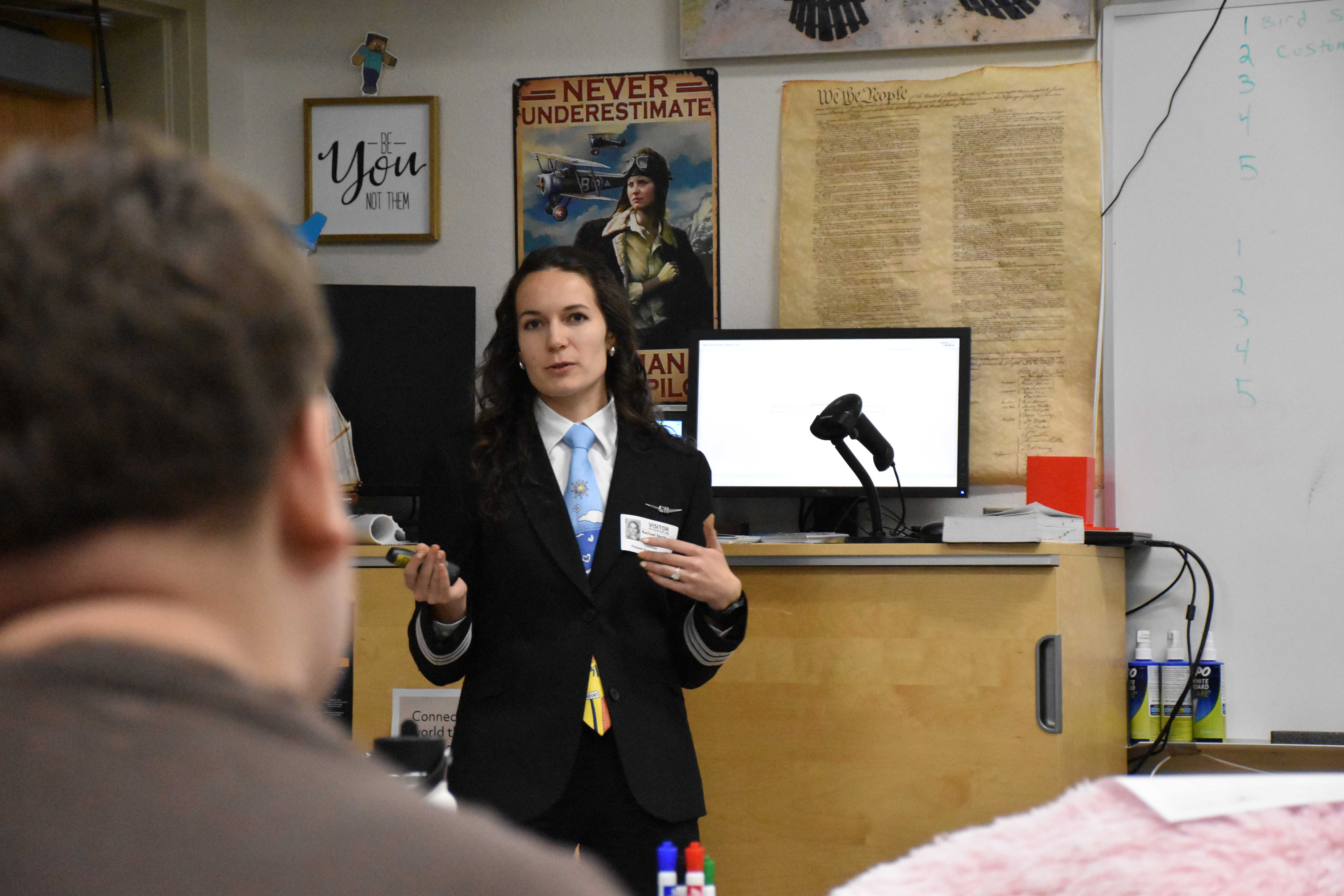
Flight Careers
- Airline Pilot
- Corporate Pilot
- Charter Pilot
- Flight Instructor
- Helicopter Pilot
- Agricultural Pilot
- Military Pilot
-
 Aircraft & Technology
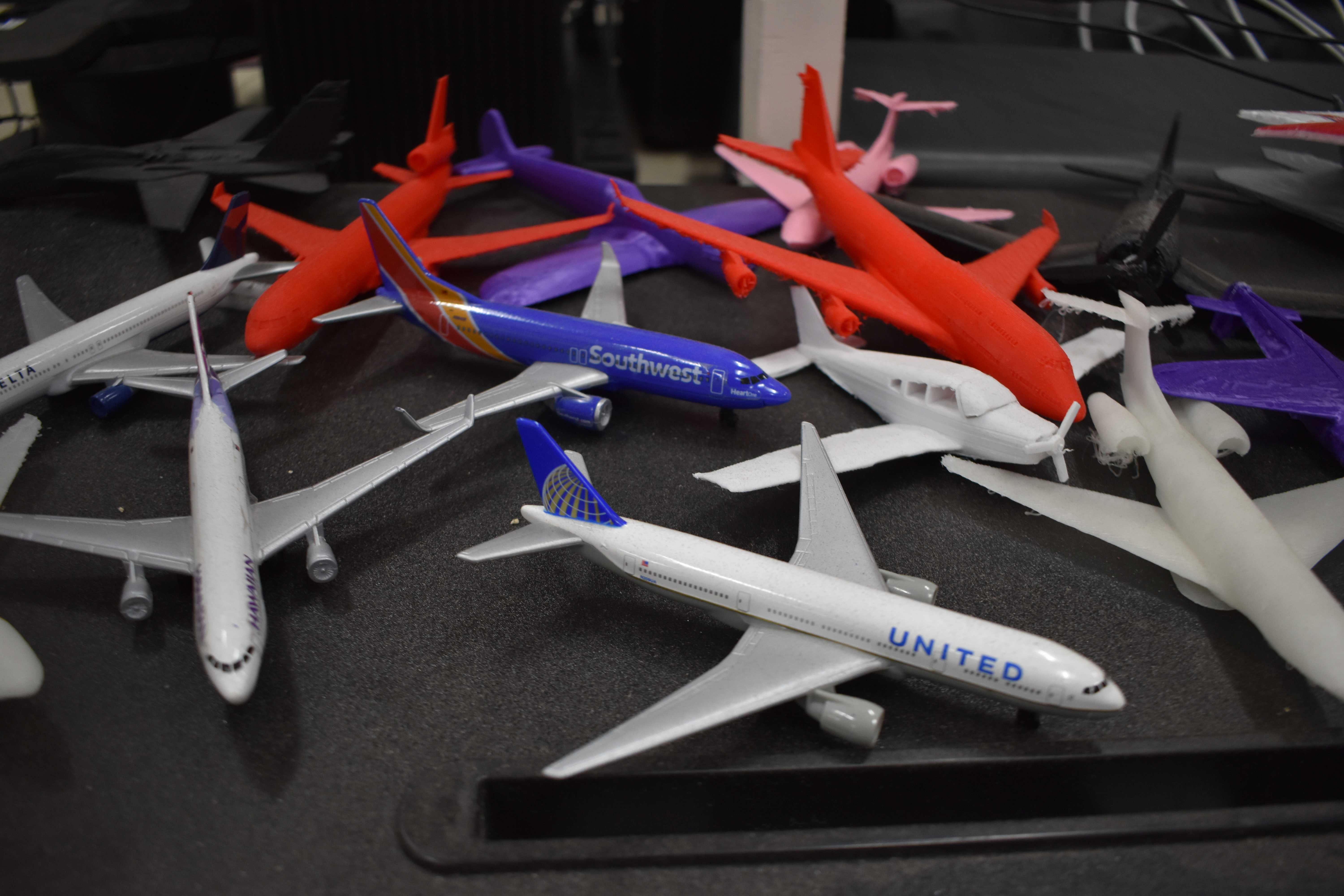
- Aircraft Mechanic
- Avionics Technician
- Aerospace Technician
- Aircraft Engineer
- UAS Technician
- Drone Operator
-
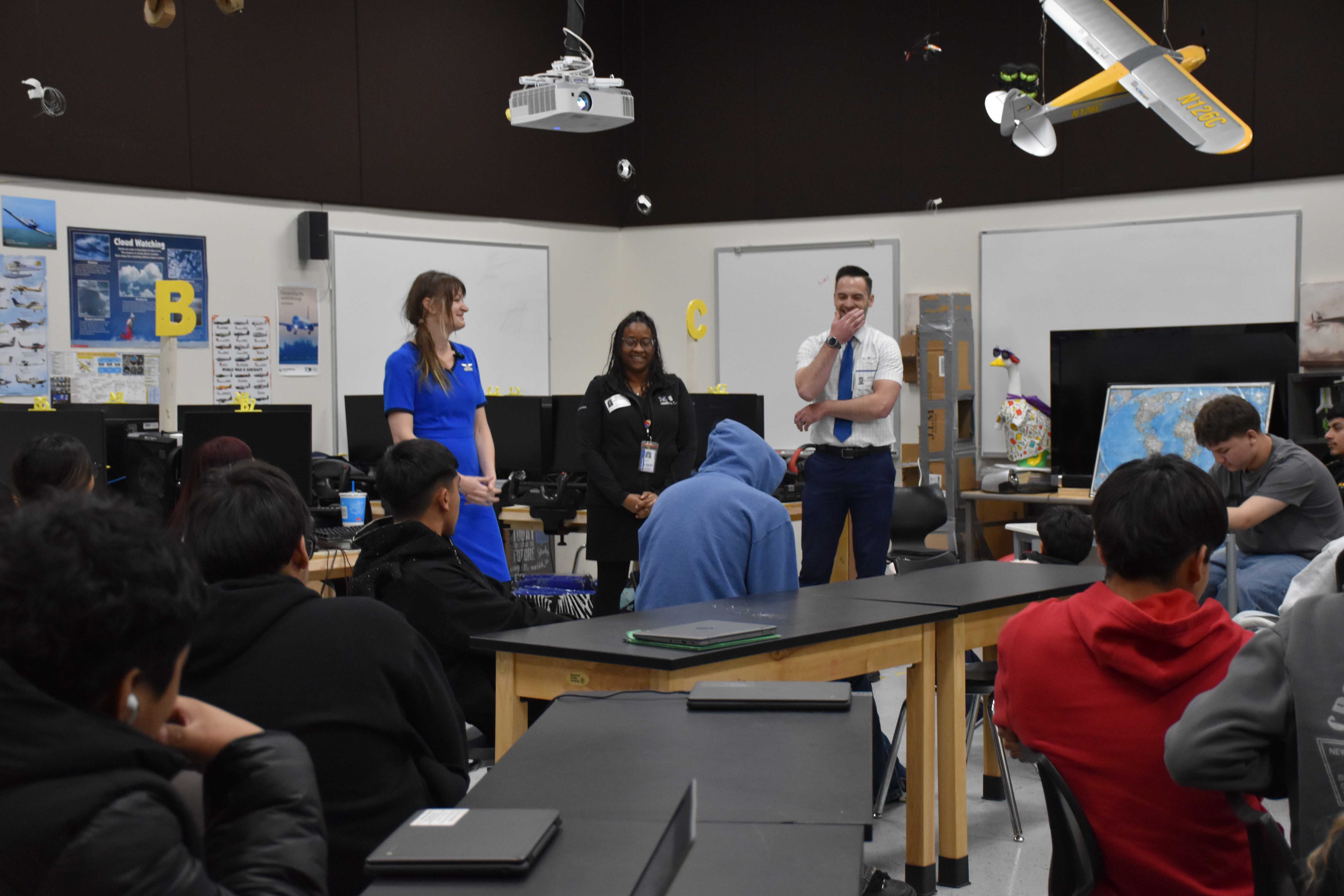 Airports & Airlines
- Airport Operations
- Airport Management
- Airline Operations
- Ramp Operations
- Customer Service
- Flight Dispatcher
- Flight Attendant
-
Air Traffic & Aviation Operations
- Air Traffic Controller
- Aviation Operations Specialist
- Flight Dispatcher
- Air Traffic Support
- Aviation Communications
-
Drones & UAS
- Commercial Drone Pilot
- UAS Operator
- Drone Technician
- UAS Mission Planner
- Drone Mapping Specialist
- UAS Operations Manager
-
Aerospace
- Aerospace Engineering
- Space Operations
- Engineering Technology
- Research
- Manufacturing
- Systems Operations
Connected to the Aviation Industry
Education Meets Aviation
A strong aviation program needs strong connections to the aviation industry.
Our program works to connect students with aviation professionals, organizations, colleges, flight schools, and industry partners.
Our Aviation Connections
AOPA Foundation
Our program incorporates the AOPA Foundation's high school aviation STEM curriculum.
Civil Air Patrol Aerospace Education
Pinnacle is an educational member of Civil Air Patrol's Aerospace Education program, providing additional access to aviation and aerospace educational resources.
Industry & Education Partners
Our program has developed connections with organizations including:
McAir Aviation
Spartan College of Aeronautics and Technology
Pinnacle Aviation Advisory Committee
Connecting the Classroom to the Industry
The Pinnacle Aviation Advisory Committee helps bridge the gap between education and the aviation industry.
The committee provides insight into:
- Current aviation industry trends
- Employer expectations
- Future workforce needs
- Career pathways
- Training requirements
- Aviation competencies
- Emerging technologies
Why Does This Matter?
The aviation industry is constantly changing.
We want our students to graduate with an understanding of what today's aviation industry expects—and where the industry is heading tomorrow.
Our advisory committee provides valuable perspectives from people who work in aviation and related industries.
Interested in Getting Involved?
We are always looking for new aviation professionals, companies, educators, and industry connections who are interested in helping students explore aviation careers.
Frequently Asked Questions
Do I need to know how to fly?
No. The program is designed for students with little or no previous aviation experience.
Do I need to own a flight simulator?
No. Flight simulation equipment is provided as part of the program.
Is aviation only for students who want to become pilots?
Absolutely not. Aviation includes careers in drones, aircraft maintenance, airports, airlines, aerospace, technology, air traffic control, and many other areas.
Do we actually fly airplanes?
Students receive extensive exposure to aviation through classroom instruction, simulation, and hands-on activities. The program is designed to introduce students to the knowledge and skills involved in aviation.
Are drones part of the program?
Yes. Students have opportunities to learn about and operate unmanned aircraft systems.
Is aviation difficult?
Aviation can be challenging—but that's part of what makes it exciting. Students are encouraged to learn, make mistakes, ask questions, and improve.
Do I need to be good at math?
You don't have to be an expert. Aviation uses math, science, technology, communication, and problem-solving, and students develop these skills throughout the program.
What careers can I pursue?
There are hundreds of aviation-related careers, including pilot, aircraft mechanic, air traffic controller, flight attendant, airport operations, drone operator, aerospace careers, and many more.
What if I'm not sure whether aviation is for me?
That's exactly why you should explore it. You don't have to know your future career before you start.